
Book Review: Shame-Sex Attraction: Survivors’ Stories of Conversion Therapy
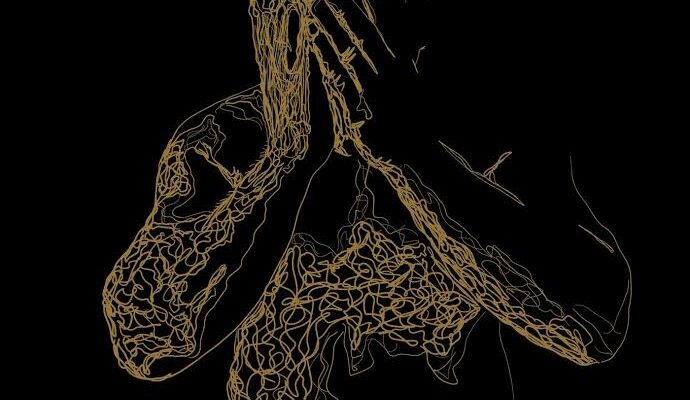
Shame-Sex Attraction: Survivors’ Stories of Conversion Therapy
by Lucas F. W. Wilson (Philadelphia: Jessica Kingsley, 2025)
Reviewed by Cody J. Sanders
In March, the Supreme Court struck down a Colorado law that banned conversion therapy for minors in the state, ruling the Colorado law a violation of therapists’ free speech. That ruling now has implications for the 20 other states that ban the practice because of its harm to the mental health of LGBTQ+ minors. Mental health professional organizations like the American Psychiatric Association and the American Psychological Association have, for decades, publicly condemned sexual orientation change efforts as harmful and ineffective practices.
Yet, many people likely have little sense of what exactly is entailed in the pseudo-therapeutic practice of conversion therapy, also known as “reparative therapy” or, more comprehensively, sexual orientation and gender identity and expression change efforts (SOGIECEs). Lucas Wilson offers readers of Shame-Sex Attraction a first-person glimpse into the lived experiences of 17 LGBTQ+ people who share their stories in this edited anthology. Each writer narrates a personal experience of conversion therapy that entailed some combination of “talk-therapy counseling, ‘support’ groups and camps, transphobic healthcare practices, ‘corrective’ prayer, forced celibacy, coerced sexual relations or relationship, behavioral suppression and ‘correction,’ aversion therapy, electroshock therapy, online programs, and exorcisms” (12). Most, though not all, sexual orientation and gender identity change efforts are undergirded by Christian theological teachings (though one author in this book comes from an Orthodox Jewish background).
These 17 survivors of conversion therapy and other “ex-gay ministries” share their stories in brief, accessible and highly engaging essays. After years of healing from these shame-inducing spiritually violent experiences, some even share their stories with a bit of humor while also not shying away from the hard and heavy parts of their stories, including suicidality.
“Shame” is the orienting theme of Wilson’s edited collection because, as he notes, “without shame, the authors in this collection would never have felt compelled to submit themselves to conversion practices” (28). One author—Jordan Sullivan—a trans man who grew up in a Seventh-day Adventist family, narrates his young adulthood sense of hopelessness as he grappled with the “pain, suffering, agony, sickness, and guilt” he longed to be over . On the brink of suicide, Sullivan recalls praying these heart-rending words:
I am incapable of comprehending, blind to the truth, scarred by sin. My nervous system feels shot. I can’t hear you anymore. I can’t see you anymore. I’ve caved in from within, and there’s no one or nothing to reach inside and put the shattered pieces back together. Your avenues to my soul are shattered. I’m a shell, with nothing – no one… (67, italics original).
In his 30s, with the support of his parents, a therapist and resources he discovered in places like an Oprah Winfrey episode, Sullivan began a long process of recovery from the harm experienced through the decades of religiously induced shame. At the time of his writing, he has lived as a trans man for over 12 years. He reports, “I am still learning that when you suppress a part of your core identity—you dissociate from yourself—and it can take years to re-integrate and become whole” (73).
In addition to the 16 other voices, Wilson also narrates part of his own story with SOGIECEs as an undergraduate student at Liberty University where he confided in a campus pastor about his same-sex attraction and attended a group of gay students convened by the pastor in an effort to help them suppress their same-sex attraction and eventually marry a woman so that they had an outlet for their hormones. Wilson’s writing is beautiful, raw and real, transporting readers into the dorm rooms, gyms and cafeterias of the U.S.’s largest evangelical university. (Notably, Wilson has another book under contract with University of Georgia Press titled, Don’t Ask, Tell All: Stories of Christian Colleges’ Anti-Queer Regimes, set to release in early 2027, which will be a similar collection of first-person narratives of LGBTQ+ people who endured harm at the hands of high-control Christian institutions.)
Wilson notes that the spiritual harm experienced from conversion therapy includes “damage to victims’ spiritual self-identity, their ability to construct existential meaning, their relationship to God or the divine, and their relationship to their religious community” (16). It’s helpful to note that an LGBTQ+ person doesn’t need to experience any formal conversion therapy efforts to experience the spiritual harm that Wilson names here. These effects of spiritually violent theologies and practices often visit the lives of LGBTQ+ people who have simply lived part of their lives within religious communities and families that actively condemn LGBTQ+ people, believing themselves to be on the receiving end of God’s condemnation. For other books that treat this spiritual violence more broadly, see, Cody J. Sanders, Christianity, LGBTQ Suicide, and the Souls of Queer Folk (Lexington, 2020), Brook Petersen, Religious Trauma: Queer Stories in Estrangement and Return (Lexington, 2022), and Joel Hollier, Religious Trauma, Queer Identities: Mapping the Complexities of Being LGBTQA+ in Evangelical Churches (Palgrave, 2024).
In addition to the Supreme Court’s decision, the ACLU is tracking 517 anti-LGBTQ bills in state legislatures across the U.S. (as of April 11, 2026). A disproportionate number of these target trans people. I am increasingly convinced that in an era when LGBTQ+ people are under attack at every level of government and in the vast majority of ecclesial spaces in the country, LGBTQ-affirming faith communities, friends, family and professionals (therapists, physicians, educators, etc.) will become the lifelines that so many queer and trans people need in order to bear the weight of the onslaught of attempted erasure of our lives and all of the beauty and joy they bring into the world.
Wilson notes that one of the top-cited ways that survivors of conversion therapy come to terms with the effects of SOGIECEs in their lives is through supportive friendships with affirming friends (straight, cisgender and LGBTQ+ alike). The Trevor Project, in a similarly stunning finding, discovered that when an LGBTQ youth has at least one accepting adult in their lives, they were 40% less likely to report a suicide attempt. Wilson’s book is an exceptionally readable introduction to conversion therapy and related practices for the lay reader who needs to know exactly why the Supreme Court’s ruling is so dangerous to queer and trans lives in the U.S. Let the voices of LGBTQ+ survivors educate you. Learn from their stories how to further your own commitment to love and affirm the queer and trans people in your own life.
Cody J. Sanders is associate professor of congregational and community care leadership at Luther Seminary, St. Paul, MN, an ordained Baptist minister, and author of several books on LGBTQIA spiritual care.




Leave a Reply
You must be logged in to post a comment.
Scan the QR code below to join our exclusive Substack community—subscribe for free or choose to support us with a donation! Just another great way to enjoy and share the journal.